
TL;DR
Choosing the right SOP creation services can mean the difference between audit-ready documentation and costly compliance gaps. This guide walks you through how to vet SOP vendors on what actually matters: industry experience, writing methodology, quality controls, and contract terms. You’ll learn the key features of high-quality SOP writing services, the questions to ask before hiring, common mistakes to avoid, and what outsourced SOP companies typically charge. Read this before you sign anything.
Your team knows the process. Your compliance officer knows the risk. But somewhere between those two realities, the documentation never gets done. That’s where SOP creation services step in. Picking the wrong vendor, though, costs you more than time. It costs you accuracy, audit readiness, and internal trust. This guide helps decision-makers cut through the noise. You’ll know exactly what to look for, what to ask, and what to avoid before signing any contract.
What Are SOP Creation Services?
SOP creation services are professional firms or freelance teams that write, structure, and maintain standard operating procedures on your behalf.
These providers take your internal workflows, compliance requirements, and process knowledge and turn them into clear, usable documentation.
The sop development process typically includes discovery sessions with your subject matter experts (SMEs), drafting structured procedures, internal review cycles, and final delivery in your preferred format.
Good SOP creation services don’t just document. They translate technical detail into step-by-step instructions any trained employee can follow.
How to Choose SOP Creation Services
Choosing the right SOP writing services isn’t about finding the cheapest option. It’s about finding the right fit for your industry, your compliance needs, and your internal capacity.
Here’s what to assess before you commit.
Evaluate Industry Expertise and Experience
Not all SOP vendors are created equal. A provider with deep experience in financial services may not understand the compliance language required for pharmaceutical or manufacturing settings.
Ask vendors for sample SOPs from your sector. Look for familiarity with your regulatory environment, whether that’s ISO standards, SOX requirements, FDA compliance, or any other framework relevant to your operations.
Experience in cross-industry settings can also signal that a vendor brings best practices from multiple quality management systems to your project.
Assess SOP Writing Process and Methodology
A vendor’s methodology tells you a lot about output quality. Ask how they gather information from your SMEs, how they structure their drafts, and how they handle revision cycles.
A solid sop review process should be built into the engagement from the start, not treated as an afterthought.
Look for providers who assign dedicated writers, include SME validation steps, and operate with a clear governance structure from kickoff to final approval.
Check Templates, Tools, and Documentation Standards
The tools and templates a vendor uses directly affect the quality and consistency of your documentation. Ask if they provide standardized templates for your document type, whether that’s a process map, a decision tree, or a numbered-step procedure.
Find out if they use version control systems and how documents are stored and shared. Providers that work with platforms your team already uses, such as SharePoint, Confluence, or an LMS, are typically easier to integrate with.
Quality process documentation firms will also maintain a style guide specific to your brand, ensuring every SOP reads consistently across departments.
Key Features of High-Quality SOP Services
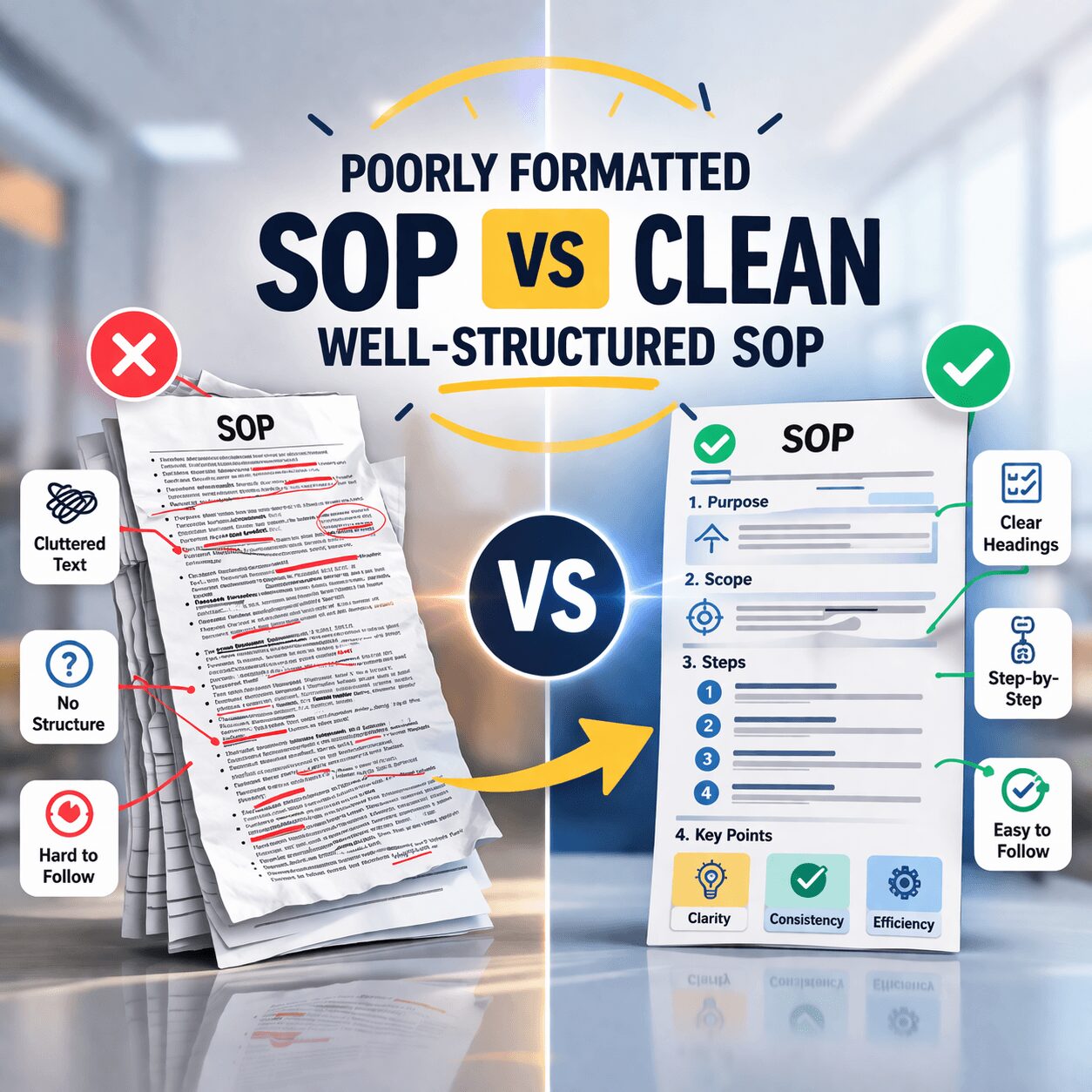
You don’t need the longest SOP. You need one that works.
Clear Structure and Formatting Standards
Every SOP your team relies on should follow a consistent format: a title, an effective date, a scope section, numbered steps, and a revision history.
Providers offering operational manual services should deliver documents that are easy to scan, not just read. Clear headings, numbered steps, and visual call-outs reduce the chance of misinterpretation.
Easy-to-Follow Language and Instructions
Technical accuracy matters. So does readability. An SOP full of jargon that only one senior employee understands is an SOP that will be ignored.
Look for vendors who write in plain language, match the reading level of the end user, and include examples or visuals where a process step needs clarification.
Customization for Business Processes
Generic templates are a starting point, not a finish line. Your SOP creation services provider should adapt their structure to your workflows, your systems, and your organizational culture.
Ask specifically how they handle customization for non-standard processes or where your workflow deviates from industry norms.
Benefits of Outsourcing SOP Development
The global Business Process Outsourcing market is projected to grow from USD 353.64 billion in 2026 to USD 741.60 billion by 2034, at a CAGR of 9.7%. That growth reflects a clear shift: organizations are choosing to outsource documentation and operational work rather than carry the overhead internally.
Here’s why that shift makes sense for SOP development specifically.
Improve Operational Efficiency
When SMEs write SOPs themselves, they’re pulled away from the work they’re actually hired to do. External SOP providers let your internal experts stay focused on operations, not documentation.
The benefits of sop consulting go beyond time savings. You get structured outputs, standardized formats, and fewer revision rounds than when documentation is handled ad hoc internally.
Ensure Compliance and Consistency
Regulated industries can’t afford inconsistent documentation. A qualified outsourced SOP company brings compliance-aware writers who understand how audit trails work and what reviewers look for.
The global Knowledge Process Outsourcing market is estimated to reach USD 121.96 billion by 2033, growing at a CAGR of 16.4%. Much of that growth is driven by demand for specialized, compliance-focused documentation work.
That said, compliance knowledge alone isn’t enough. Your vendor also needs to understand your internal policy framework and how external regulations map to your specific procedures.
Reduce Time and Internal Workload
Writing a single SOP end-to-end, including discovery, drafting, review, and approval, can take days of internal effort. Multiply that across a full department’s process library, and the workload becomes unmanageable.
Enterprises achieve an average of 15 percent cost savings through BPO programs compared to in-house operations, per the ISG Market Lens BPO Study (March 2024). Outsourcing SOP development is a direct way to realize those savings while still delivering high-quality documentation.
Questions to Ask Before Hiring SOP Experts
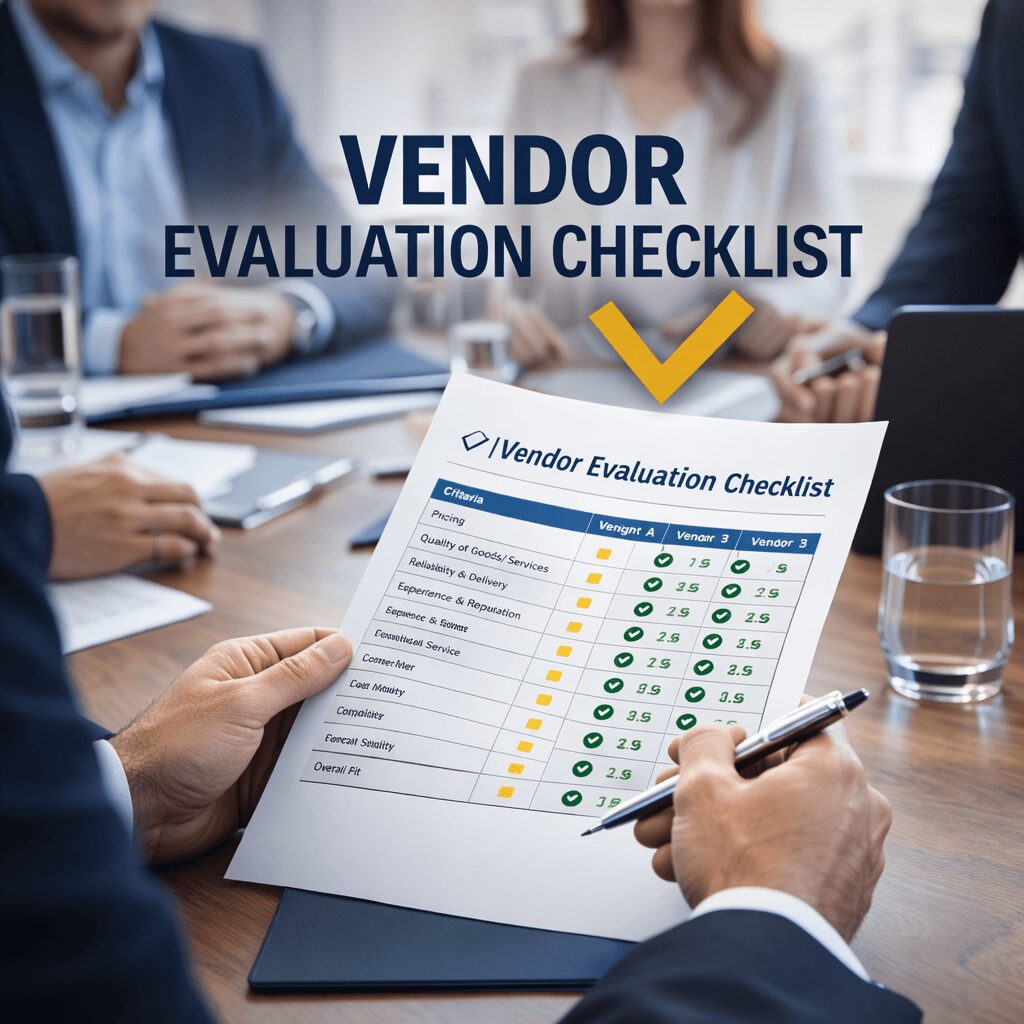
You’re hiring for a specialized output. Ask specialized questions.
Who Will Write and Review the SOPs?
Find out if your project will be handled by a single dedicated writer or a rotating team. Ask about the reviewer’s qualifications, specifically their experience in your industry and with your regulatory standards.
When weighing outsourced vs in-house sop consulting, one of the clearest advantages of external providers is access to writers with cross-sector experience. Make sure that expertise actually shows up on your project, not just in the sales pitch.
How Are SOPs Updated and Maintained?
SOPs aren’t one-time deliverables. Regulations change, tools change, and processes change. Ask vendors how they handle updates after the initial delivery.
Good sop review services include a defined maintenance cycle, not an open-ended request queue. Find out what triggers a review, who owns the update, and how version control is managed across the document library.
What Is the Turnaround Time?
Turnaround varies based on scope, SME availability, and the complexity of your processes. Ask for a realistic timeline tied to your specific deliverable list, not a general estimate.
Also ask what happens if your internal reviewers are slow to respond. A well-run vendor will have escalation protocols and built-in buffer time for review cycles, not just a deadline that assumes everything goes smoothly.
Common Mistakes to Avoid When Choosing SOP Services
Avoiding these mistakes can save you significant time and money.
Choosing price over fit. The cheapest provider rarely has the compliance knowledge or methodology to deliver documentation that holds up in an audit. Get comparable quotes, but weight them against industry experience and quality controls.
Skipping the sample review. Always ask for sample SOPs before signing. Review them for structure, language clarity, and formatting consistency. If samples aren’t available, that’s a red flag.
Ignoring contract terms for revisions. Scope creep is common in documentation projects. Clarify upfront how many revision rounds are included, what counts as an out-of-scope change, and who owns the final documents.
Underestimating SME time. Even with an external provider, your SMEs will need to participate in discovery sessions and review drafts. Build that time into your project plan before the engagement starts.
Not asking about digital integration. SOPs that live in a shared folder are harder to maintain and adopt than those hosted in a wiki, LMS, or workflow tool. Ask if the vendor can deliver in a format your systems support.
Cost of SOP Creation Services: What to Expect
Costs vary based on complexity, volume, and vendor model. Here’s a general breakdown.
Per-document pricing is common for smaller engagements. Simple, low-risk procedures may cost less than more complex, multi-step processes that require regulatory review.
Retainer-based pricing suits organizations with ongoing documentation needs, such as post-merger integration, regulatory updates, or continuous process improvement programs.
Project-based pricing works well for defined scopes, such as building an SOP library from scratch for a new department or subsidiary.
When comparing outsourced SOP companies, ask for fully loaded pricing that includes discovery, drafting, revisions, and final formatting. Surprises tend to show up in revision and formatting costs when these aren’t spelled out upfront.
Also consider regional variation. Providers based in different markets may offer cost advantages, but you’ll need to verify their familiarity with your local regulatory and operational context.
Best Practices for Managing Outsourced SOP Projects
Even the best vendor won’t succeed without a structured engagement on your side.
Assign an internal project lead. Someone on your team needs to own the vendor relationship, coordinate SME availability, and approve deliverables. Without this, projects stall.
Define scope in writing before work begins. Document the process list, expected formats, revision limits, and delivery schedule in the contract. Scope changes happen, but they should be managed, not absorbed silently.
Run a pilot with one or two SOPs first. Before committing to a full project, ask the vendor to complete a small sample set. This gives you a real data point on quality and communication style before you’re committed.
Build in a feedback loop. After each delivery batch, review with your team what worked and what didn’t. Share that feedback with the vendor early, not at the end of the project.
Plan for handover. When the engagement ends, make sure you receive all source files, templates, and version history. You shouldn’t be locked into a vendor for future edits because they retain the original files.
The outsourced vs in-house sop review decision often comes down to these practical factors: internal bandwidth, regulatory risk, and whether your team has the writing discipline to maintain consistency at scale.
Frequently Asked Questions
What is SOP creation?
SOP creation is the process of writing standard operating procedures that document how tasks should be performed in a business. These documents define roles, steps, and expected outcomes for recurring processes. Good SOP creation reduces errors, supports training, and keeps teams aligned on how work gets done.
What are SOP creation services?
SOP creation services are professional offerings where external writers, consultants, or firms write your standard operating procedures for you. These providers handle everything from discovery and drafting to formatting and final review. Businesses use SOP creation services when they lack internal writing capacity or need compliance-ready documentation fast.
How do you create an SOP?
You create an SOP by identifying the process, interviewing the people who perform it, and documenting each step in clear, sequential order. The document should include a title, scope, roles, step-by-step instructions, and a revision history. Testing the SOP with real users before finalizing it helps catch gaps before the document goes live.
What is an SOP and how does it work?
An SOP, or standard operating procedure, is a written document that tells employees exactly how to complete a specific task or process. It works by removing ambiguity, so every team member follows the same steps regardless of experience level. SOPs are used in training, audits, quality control, and day-to-day operations.
What is an SOP with an example?
An SOP is a documented procedure that standardizes how a task is performed. For example, a finance team might have an SOP for month-end close that lists every step, who is responsible, which systems to use, and what sign-offs are required. That document makes the process repeatable and auditable every time.
What are the three types of SOP?
The three common types of SOPs are step-by-step SOPs, hierarchical SOPs, and flowchart SOPs. Step-by-step formats work for simple linear processes. Hierarchical formats add sub-steps for more complex tasks. Flowchart formats use decision trees for processes where the next step depends on a specific condition or outcome.
What is the SOP used for?
SOPs are used to standardize operations, reduce human error, support employee training, and satisfy regulatory requirements. In regulated industries like finance, healthcare, and manufacturing, SOPs also serve as audit evidence that processes are controlled and consistently followed. They’re the backbone of any well-run quality management system.
What are SOP services?
SOP services refer to professional support for writing, reviewing, or managing standard operating procedures. This includes drafting new SOPs, updating outdated ones, building SOP templates, and maintaining a full document library. Outsourced SOP companies offer these services to businesses that need high-quality documentation without adding internal headcount.
What is SOP in service industry terms?
In the service industry, an SOP defines the exact steps a team follows to deliver a consistent client experience. For example, a consulting firm may have SOPs for client onboarding, report delivery, and quality review. These documents keep service delivery predictable and reduce variation across different team members or locations.
What is SOP and KPI?
An SOP defines how a task is performed, while a KPI measures how well it’s being performed. The two work together: the SOP sets the standard, and the KPI tells you whether that standard is being met. For example, an SOP might define the invoice approval process, while the KPI tracks how often invoices are approved within 48 hours.
How do I choose the right SOP creation services?
Start by evaluating the vendor’s experience in your industry and their familiarity with your regulatory environment. Ask to see sample SOPs, review their drafting and revision process, and confirm how they handle version control and document maintenance. The right SOP writing services provider will have a structured methodology, not just good writers.
What should I look for when hiring SOP writers?
Look for writers who combine clear technical writing skills with subject matter familiarity in your sector. They should follow a defined process documentation workflow, use standardized templates, and include SME review checkpoints. Ask about their track record with compliance-focused documentation and whether they have experience with frameworks relevant to your industry.
How much do outsourced SOP creation services cost?
Costs vary based on scope, complexity, and the vendor’s pricing model. Some process documentation firms charge per document, others work on project-based or retainer pricing. Simple operational SOPs cost less than multi-step, compliance-heavy procedures. Always ask for fully loaded pricing that includes discovery, revisions, and final formatting so there are no surprises.
How long does outsourced SOP development take?
Timelines depend on the number of SOPs, the complexity of your processes, and how quickly your subject matter experts can participate in discovery and review. A single SOP can take a few days. A full department library may take several weeks. Well-run SOP creation services will give you a project timeline tied to your specific scope, not a generic estimate.
What is the difference between outsourced and in-house SOP development?
In-house SOP development relies on your internal team to write, review, and maintain documentation, which often competes with their core responsibilities. Outsourced SOP companies bring dedicated writers, structured methodologies, and cross-industry experience that internal teams rarely have. The right choice depends on your internal capacity, compliance requirements, and how quickly you need documentation delivered.
When should you outsource SOP creation?
When your internal team lacks writing capacity, when you’re entering a new regulated market, or when your existing SOPs are inconsistent and overdue for a full review.
How do you choose an SOP vendor for a regulated industry?
Look for documented experience with your specific regulatory framework, sample SOPs from similar environments, and a review process that includes compliance checkpoints, not just editorial reviews.
What should an SOP vendor contract include?
Scope definition, deliverable list, revision limits, turnaround timelines, ownership of final documents, version control terms, and pricing for out-of-scope changes.
Can outsourced SOPs be customized for our internal tools?
Yes, quality providers will adapt to your preferred platforms, whether that’s a wiki, an LMS, a SharePoint library, or a workflow tool. Ask for this requirement to be confirmed in writing.
Make the Right Call on Your SOP Creation Services
Picking the right SOP creation services comes down to three things: relevant experience, a structured process, and clear accountability. You don’t need a vendor who promises everything. You need one who can show you documented proof of quality, a defined methodology, and experience in your industry.
The stakes are real. Poorly documented processes lead to compliance gaps, audit failures, and rework that costs far more than the original documentation project.
Take the evaluation seriously. Ask the hard questions. Review the samples. Check the contract. And when you’re ready to work with a team that brings both process expertise and compliance knowledge to the table, sop consulting services from Prima Consulting are built for exactly that.


